
Things to Do in Cambridge That Aren't Punting

Punting is popular for a reason. Gliding along the Cam past King's College Chapel and the Bridge of Sighs is a genuinely lovely way to spend an hour, and nobody should skip it entirely if it's their first visit. But it isn't the whole story of Cambridge, and treating it as the main event means missing most of what makes the city worth a proper look.
This is a guide to what to do in Cambridge once punting is ticked off, or instead of it altogether: the colleges most visitors walk straight past, the independent bookshops worth building an afternoon around, the gardens that reward a slower pace than the river ever could, and the food and drink scene that exists well beyond the main tourist trail. None of it requires a boat, a queue, or a guided group to enjoy, which is arguably what makes it some of the best things to do in Cambridge for a second or third visit. Hotel du Vin Cambridge, set on Trumpington Street, makes a genuinely walkable base for exploring all of it on foot.
The colleges most visitors walk straight past
King's College Chapel and Trinity's Great Court draw the crowds, understandably. But Cambridge has 31 colleges, and several of the smaller, less obvious ones offer a quieter and often more interesting way to spend an hour. They tend to reward visitors with actual curiosity about the university rather than a photograph to tick off, and most sit close enough together to combine into a single unhurried walk.
Peterhouse, the quiet original
Peterhouse is the university's oldest college, founded in 1284, and it still feels like it: small in scale, with courtyards built for study rather than spectacle. There's no grand entrance to queue for, just a genuine sense of Cambridge before it became a destination.
Corpus Christi's hidden library
Corpus Christi's Parker Library holds one of the finest collections of medieval manuscripts anywhere in the country, tucked away from the college's main court. Anyone walking past on King's Parade also gets the Corpus Clock thrown in for free, the unsettling grasshopper mechanism on the exterior wall that's become a curiosity in its own right.
Clare College's riverside gardens
Clare sits directly beside King's on the river, yet its own gardens are routinely overlooked by visitors focused on the more famous neighbour next door. They're some of the prettiest grounds along the Cam, and considerably calmer for it.
Trinity's Wren Library
Most visitors see Trinity's Great Court and leave. Fewer make the short walk to the Wren Library, designed by Christopher Wren and holding manuscripts by Newton and Milne among its collection. Opening times and admission vary by college and by term, so it's worth checking ahead of a visit.
Independent bookshops worth building an afternoon around
Cambridge has one of the highest concentrations of independent bookshops of any UK city, and they're a genuine attraction in their own right, not just somewhere to shelter between colleges: the city's academic history means bookselling here goes back centuries rather than decades, and that depth shows in shops built for browsing rather than quick purchases, each with its own specialism and its own way of organising stock, or not organising it at all. Spend an afternoon moving between a handful of them and the walk itself becomes as much the point as anything bought along the way.
Heffers
Heffers has been trading on Trinity Street, opposite Trinity College, since 1876, and its range still spans serious academic titles alongside general fiction. It's the kind of shop that rewards an hour with no particular book in mind.
G. David
Tucked down St Edward's Passage, G. David deals in new, second-hand, and antique books across a genuine maze of shelves and stairwells. There's no obvious system to browse by, and no need for one either. Finding anything specific takes patience, which is rather the point.
Sarah Key Books
Still known locally as the Haunted Bookshop, Sarah Key Books is a narrow second-hand shop just off King's Parade, strong on illustrated and children's titles. It sits close enough to Heffers and G. David that all three make a bookshop-led walking route of their own, easily filling a slow afternoon.
Hidden gardens and quieter green spaces
Cambridge's gardens reward a slower pace than the river does, and several of the best are free to wander with no punt required.
Cambridge University Botanic Garden
The Botanic Garden sits a short walk south of the city centre and offers a genuine escape from it, forty acres of planting across glasshouses, a lake, and a winter garden that's rarely on a first-time visitor's list.
College gardens along the Cam
Several colleges open their private grounds to visitors at set times, and Clare's riverside gardens remain among the most accessible, close enough to the centre to fit into an otherwise busy day without a detour.
The Backs, early or late
The Backs, the stretch of college gardens and lawns running along the river behind King's, Clare, and Trinity, offers the same view whether it's crowded or not. Walking it in the early morning or at dusk, once the punts have thinned out, changes the atmosphere completely.
The Orchard Tea Garden, Grantchester
A short cycle or a proper riverside hike from the centre, the Orchard Tea Garden has been serving tea beneath its apple trees since 1897, with a history tied to Rupert Brooke and the wider Bloomsbury set who once made the village their retreat. It's one of the more rewarding things to do near Cambridge for anyone with half a day to spare, and remains an easy outing from the hotel.
The Fitzwilliam Museum
Directly opposite the hotel on Trumpington Street sits one of the best museums in the country: free to enter, holding roughly 600,000 objects across fine art and antiquities, with works by Monet, Picasso, and Van Gogh alongside an Egyptian collection rivalled in the UK only by the British Museum. It isn't a secret, but it's routinely skipped by visitors who assume a single afternoon only stretches to colleges and a punt, which makes it one of the simplest additions to a Cambridge visit: no booking, no queue, and no further than crossing the street from where you're staying.
Food and drink beyond the tourist trail
Mill Road is Cambridge's more independent, lived-in side, a fifteen-minute walk from the main university sights and a different city entirely once you're on it. Artisan bakeries sit beside vintage shops and a genuine spread of international restaurants, Middle Eastern, Caribbean, Portuguese, and more, largely without the queues found nearer the colleges. This is where Cambridge residents come to eat, rather than where visitors are typically directed, and it's worth an afternoon on its own merits rather than as an add-on to a college itinerary.
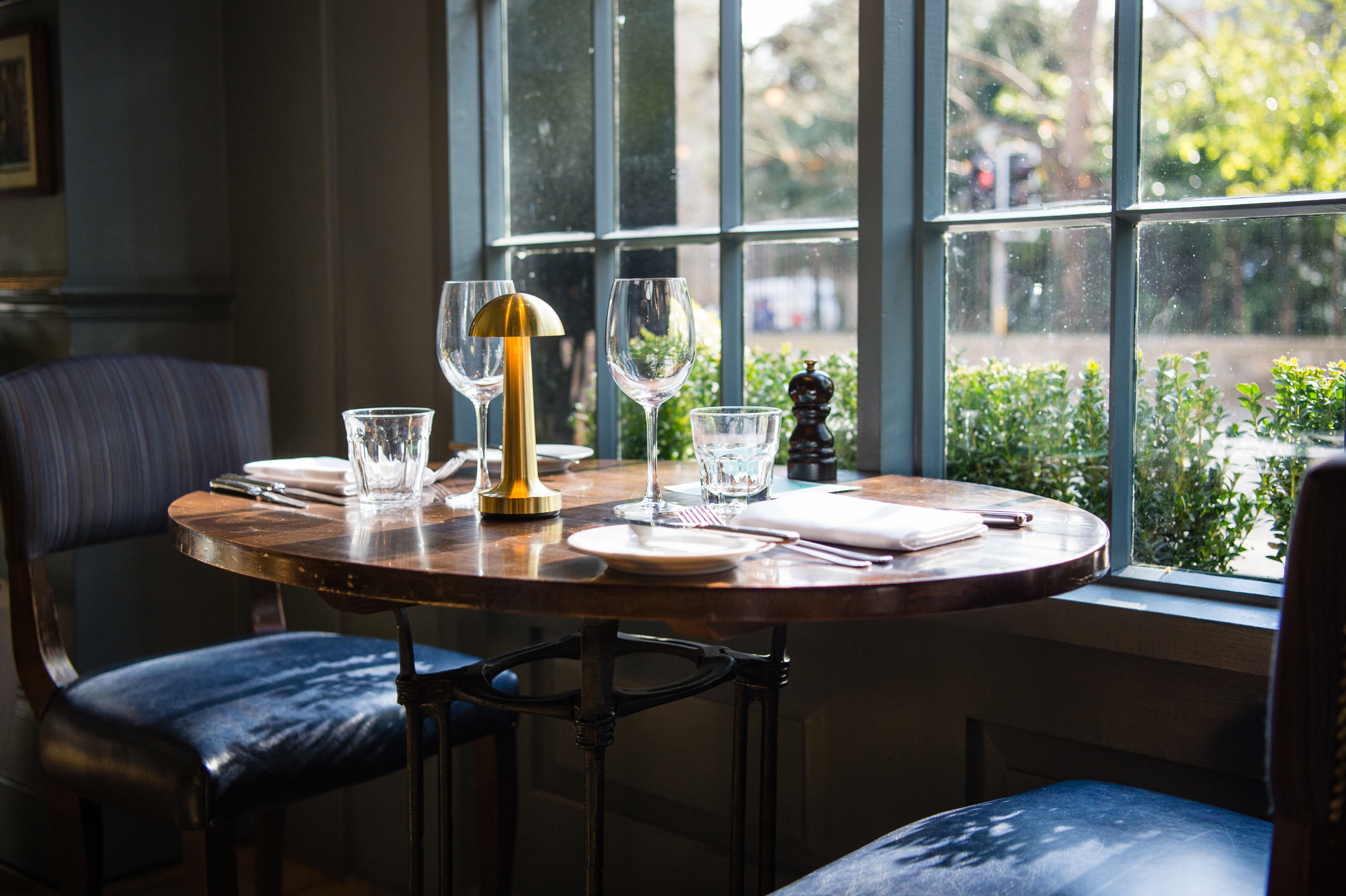
After a day spent this way, Hotel du Vin Cambridge's bistro is a fitting place to end it: seasonal dishes made from fresh ingredients, served in a room built around reclaimed floorboards and restored fireplaces, with a wine cellar built firmly around Burgundy and Bordeaux. It's a short walk from everything above.
A quieter kind of culture: Kettle's Yard
Kettle's Yard offers an intimate, personal alternative to a conventional gallery: the former home of Jim Ede, filled with twentieth-century art exactly as he arranged it, rather than a museum built to hold a collection. It suits visitors who want substance without a queue, and it sits comfortably alongside a day built around colleges, bookshops, and gardens rather than a single headline attraction. Hotel du Vin Cambridge is a short walk from the gallery, making it easy to add on without reshaping the rest of the day.
Making a weekend of it
Colleges, bookshops, gardens, and food beyond the tourist trail can easily fill two unhurried days without a single punt in sight. None of it requires rushing between fixed slots or booking weeks ahead, which is precisely what makes it work as a weekend rather than a checklist.
Hotel du Vin Cambridge's Trumpington Street location puts all of it within comfortable walking distance, making it a genuinely practical base rather than just a comfortable one. It suits first-time visitors wanting something different from the standard itinerary just as well as it suits repeat visitors who've already done the obvious sights and are ready for what's next, with a bistro and Cellar Bar to return to once the day's walking is done.
FAQs on things to do in Cambridge
How many days do you need to experience Cambridge?
It depends on what kind of visit you're after. A single day covers the main colleges and a walk along the river comfortably enough, but that pace leaves no room for a bookshop afternoon or a proper garden visit. Two days allows the city to open up beyond its most photographed corners, with time to follow a single thread, gardens, books, or quieter colleges, rather than rushing through all three.
What is the best time of year to visit Cambridge for a quieter experience?
Outside term time and peak summer months, the city thins out considerably, particularly around the colleges that see the heaviest day-trip traffic. Even during busier periods, visiting gardens and courtyards in the early morning or later afternoon tends to avoid the bulk of the crowds, since most coach groups and river tours cluster around the middle of the day.
H3: What can you do in Cambridge in four hours?
Four hours suits one focused loop rather than a full itinerary, since most of the city's points of interest sit within a fifteen-minute walk of each other. Picking a single theme, a couple of quieter colleges, a bookshop crawl, or a walk through the Botanic Garden, works better than trying to sample everything at once and seeing none of it properly.
What are some fun things to do in Cambridge?
Beyond the well-known sights, Cambridge runs a strong calendar of seasonal events worth timing a visit around, including the May Bumps rowing races on the river each June and open garden days when normally private college grounds welcome the public. Both add an entirely different kind of energy to a visit than a quiet weekday walk through the colleges and bookshops.
What is the prettiest street in Cambridge?
King's Parade tends to get the vote, largely thanks to its uninterrupted view of King's College Chapel's fan-vaulted roofline against the sky. Trinity Street runs it close, though, for the sheer concentration of historic college facades, Trinity and Gonville & Caius among them, lining a single stretch worth walking slowly rather than passing through.