
Summer Wines: What to Drink When the Temperature Rises

Summer wine drinking tends to collapse into a familiar shortlist: crisp white, rosé, Champagne if the occasion calls for it. The predictability is understandable. Those styles do work. But approaching summer drinking purely through colour categories misses the more useful question, which is about weight, freshness, serving temperature, and what you are actually eating.
This guide is less concerned with seasonal rules and more interested in helping readers drink wine well when the weather is warm. That means covering whites, rosé, sparkling styles, and lighter reds in a way that feels genuinely useful rather than prescriptive, and addressing some of the assumptions that make summer wine choices more limited than they need to be.
Wine is central to what Hotel du Vin does, and has been from the beginning. The approach here is the same as at the table: share what is worth knowing, let the guidance do the work, and leave room for personal taste and the mood of the occasion.
What makes a wine work in summer
Before getting into specific styles and grape varieties, it is worth understanding what people are actually responding to when a wine feels right in warm weather. Summer is not a category of wine. It is a set of conditions that change how wine tastes and how it sits within an occasion.
Freshness matters more than colour
The most useful principle for summer wine is not colour but character. What tends to matter most is whether a wine has enough acidity, brightness, and restraint to feel refreshing rather than tiring. A wine with high acidity and crisp, forward fruit will feel more alive in warm weather than one that is fuller-bodied and lower in acidity, regardless of whether it is red, white, or pink.
This is why a deeply tannic, heavily oaked red can feel exhausting on a hot afternoon while a chilled light red can feel entirely appropriate. And it is why a flabby, over-ripe white with low acidity can feel just as uncomfortable in summer as a big Cabernet. Freshness and balance are the consistent thread.
Why heat changes the way wine tastes
Warm weather alters the experience of wine in specific ways that are worth understanding. Alcohol tends to feel more pronounced in heat, which is one of the reasons that high-alcohol, full-bodied wines can seem unbalanced and heavy outdoors in summer in a way they would not indoors in winter.
Heavy tannins become more drying and harder to integrate when it is warm, which is why big reds feel less comfortable in summer regardless of how well made they are. And wines served too warm can lose their structural definition, tasting slack and diffuse rather than vibrant. Understanding these effects makes the reasoning behind summer wine choices much clearer than a simple "drink white, avoid red" shorthand ever does.
The best wines to drink when the weather is warm
With the logic established, the question becomes which styles consistently deliver in summer and why. Some have a more natural claim on the season than others, but the answer is considerably broader than the standard seasonal advice tends to suggest.
Crisp whites, rosé, and sparkling styles
The most obvious summer styles earn their place for good reasons. Crisp whites with high acidity and citrus-led or mineral character offer genuine freshness: Vermentino, Picpoul, Assyrtiko, Grüner Veltliner, and unoaked Chardonnay all sit well in warm weather and have enough structure to work with food. Muscadet and its coastal, saline quality is particularly good with shellfish and seafood in summer.
Dry Provence rosé has become something of a seasonal default, and the better examples justify their reputation: pale, precise, and dry enough to feel versatile across a long afternoon or early evening. English sparkling wine, particularly from Chardonnay and Pinot-based blends, offers a home-grown alternative to Champagne with a crisp, orchard-fruit character that suits summer drinking well.
What unites all these styles is their acidity and restraint. They do not demand attention or effort. They reward a warm day and a relaxed setting.
Summer wines with a little more texture
Not every warm-weather wine needs to be razor-edged or mineral. There is room for styles with a little more substance, provided the freshness is still there. Lightly oaked whites that retain their acidity can offer more complexity than their paler counterparts: a good white Burgundy or a Roussanne blend can bring texture and length without the heaviness that makes some whites feel wrong in heat.
Fuller, more structured rosés can also work well when the meal calls for something with more presence, particularly alongside richly seasoned food or dishes with some body to them. These are wines for the later part of the evening rather than the aperitif, and they suit guests who want more to think about without leaving the spirit of summer behind entirely.
Rethinking red wine in summer
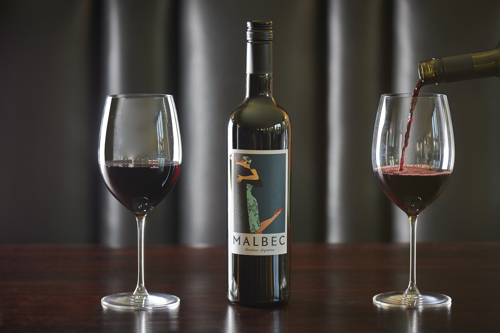
Red wine is not off the table in summer, but it does require a more considered approach. The common assumption that red wine belongs only to autumn and winter dismisses a range of styles that can feel genuinely well suited to warm-weather drinking when approached with some thought about which bottles to choose and how to serve them.
The best red wines to drink in summer
The key is to focus on freshness and restraint rather than weight and concentration. Pinot Noir, Gamay, and lighter Grenache-led blends all have the characteristics that make red wine work in summer: softer tannins, brighter red fruit, moderate body, and enough acidity to stay lively rather than sitting heavy on the palate.
Beaujolais and its crus are among the most reliable summer red options available: Fleurie, Morgon, and Chiroubles all offer the kind of cool, juicy fruit that works well chilled and holds up alongside lighter food. Lighter Italian reds, such as Bardolino or a younger Barbera, share similar qualities. The logic is consistent: choose reds where the fruit is forward and the tannins are soft enough to feel comfortable rather than drying when the temperature rises.
How to drink red wine in summer without it feeling heavy
Serving temperature is the single most important practical adjustment for summer red wine. Most lighter reds benefit from being served between 12 and 14 degrees in warm weather, which is noticeably cooler than the "room temperature" guidance formulated for rather cooler rooms than most summer settings provide.
Placing a bottle in the fridge for 20 to 30 minutes before serving tends to be sufficient for lighter styles. This keeps the fruit forward and the tannins softer. It is not about making red wine cold, but about preventing it from being warm enough to feel slack and alcoholic.
Food context matters here too. A lighter red alongside grilled chicken, charcuterie, roasted vegetables, or tuna feels entirely natural in summer. The dish does not demand the richness of a full-bodied red, and the wine does not demand the weight of an autumn dinner. The match makes both feel more at home.
Serving wine well in warmer weather
Choosing the right wine is only part of the equation. Even an ideal bottle can feel wrong if it is not served well, and warm weather amplifies the consequences of careless serving more than most conditions do.
Temperature is more important than people realise
The general principle is simple but often ignored: white and rosé wines are frequently served too cold, while red wines are often served too warm. Both extremes are more common in summer, and both affect the wine's character in ways that a moderate adjustment would avoid.
Whites and rosés served straight from an ice bucket for a prolonged period can lose their aromatic character and feel flat, even if they remain technically fresh. A good white wine at 8 to 10 degrees has more to offer than the same wine at 4. Conversely, a red wine left on a sun-warmed table for an hour will feel looser and more alcoholic than it did when first poured.
Thoughtful chilling rather than aggressive chilling, and attention to how quickly a bottle warms in the glass outdoors, makes a noticeable difference to how the whole experience lands.
Match the wine to the moment
A single approach to summer wine rarely covers every occasion, and it is worth thinking about what the wine needs to do before choosing it. An aperitif before lunch calls for something different to a wine for a long afternoon in the garden. A late dinner outside calls for something different again to a lunchtime bottle alongside seafood.
Lighter, higher-acid wines tend to work well as aperitifs, particularly when food is not yet on the table and freshness is the primary quality required. More textural or complex styles can come into their own later in the meal, when the palate is more engaged and the food has more substance. That sequencing tends to make the whole occasion feel more considered without requiring any particular effort.
Summer food, summer wine, and why the pairing changes
The food of summer tends to be lighter, more herb-driven, and more likely to involve grilling, sharing plates, and vegetables in a leading rather than supporting role. That shift changes the pairing logic considerably, and it is one of the main reasons why the wine choices of summer feel distinct from those of the rest of the year.
Wines for seafood, salads, and lighter plates
Shellfish and crisp whites are one of the most natural food-and-wine combinations in existence, and summer is the most natural time to revisit it. The mineral acidity of a Picpoul or a Muscadet alongside oysters or grilled prawns works because both have a saline, briny edge that reinforces rather than competes. High-acid whites and goats' cheese, tomatoes, or herb-forward salads follow a similar logic: the wine's brightness cuts through the richness of the cheese or lifts the flavour of the herbs.
The broader principle is that summer food often has more acidity and freshness in it than the food of other seasons, and the wine needs enough brightness to match rather than sit passively alongside.
What to pour with grilled food and outdoor eating
Grilling adds its own character to food: charred edges, smokiness, and a slight bitterness that can stand up to more structured wines than a simple salad might. This is where rosé with a little more depth, a chilled lighter red, or a more textural white can come into their own.
A Grenache-led rosé alongside grilled lamb or merguez, a chilled Gamay with barbecued chicken, or a richer white Rhône blend with roasted vegetables all feel natural within the mood of an outdoor summer dinner. The Hotel du Vin bistro menu and bar offer reflect that same instinct: wine and food considered together rather than separately, with the occasion and the season shaping both.
Why summer wine should still feel relaxed
Wine guidance can easily tip into something that feels restrictive rather than liberating. The point of understanding a few principles about summer drinking is to make choices feel more confident and more enjoyable, not to replace one set of seasonal rules with another.
Good summer wine is about mood as much as method
The same wine can feel very different depending on when and how it is served. A chilled lighter red poured at the right temperature alongside good food on a warm evening can feel exactly right. The same bottle left too long on a sunny table alongside nothing in particular can feel like a mistake.
Context shapes the experience as much as the bottle does. The clearest summer wine principle is probably the simplest: pay attention to temperature, think about what you are eating, and choose wines that feel agile rather than weighty. Everything else follows from that.
The Hotel du Vin point of view
Wine has been central to Hotel du Vin's identity from the beginning, and the approach has always been the same: treat it seriously, but keep it accessible. Summer is a good time to revisit that perspective. The season invites a lighter touch and a more relaxed pace, and the wine choices available within that spirit are more varied and more interesting than the default seasonal advice usually suggests.
For those who want to explore further, Hotel du Vin's wine tasting experiences offer a more guided way into that territory, and the Taste du Vin offer is worth considering for a stay that puts wine and food properly at the centre of the visit.
Summer Wines FAQs
What is the best wine to drink in summer?
The best wine to drink in summer is usually one with freshness, balance, and enough acidity to feel lively in warm weather. That might mean a crisp white, dry rosé, sparkling wine, or a lighter red served slightly cooler than usual.
Can you drink red wine in summer?
Yes. Red wine can work well in summer, but style and serving temperature matter. Lighter reds with softer tannins and brighter fruit usually feel more comfortable in warm weather than dense, heavily oaked styles.
Should red wine be chilled in summer?
Lighter reds benefit from being served a little cooler in summer, typically around 12 to 14 degrees. A short time in the fridge before serving tends to be sufficient. Slight chilling keeps the fruit forward and the tannins softer, making the wine feel fresher and more balanced, particularly outdoors or alongside lighter food.
Does serving temperature really make a difference in summer?
Yes, noticeably so. Whites and rosés served too cold can lose their aromatic character, while reds left too warm feel alcoholic and slack. Moderate adjustments, such as taking a white out of the ice bucket a few minutes before pouring, or placing a light red in the fridge for 20 minutes before serving, make a genuine difference to how the wine tastes and how the whole occasion feels.
What food pairs best with summer wines?
Summer wines tend to work well with seafood, salads, grilled vegetables, lighter meats, and dishes with fresh herbs or citrus. The common thread is usually brightness and balance rather than richness.